28th World Volunteer Conference · Riyadh

Reimagining volunteering for greater social impact

  • HostGhadan
  • WhereRiyadh, Saudi Arabia
  • WhenLate 2027

A global gathering of volunteer leaders, researchers, and changemakers, exploring how innovation and transformation can deepen the social impact of volunteering.

About the Conference

A vital space for the global volunteering community

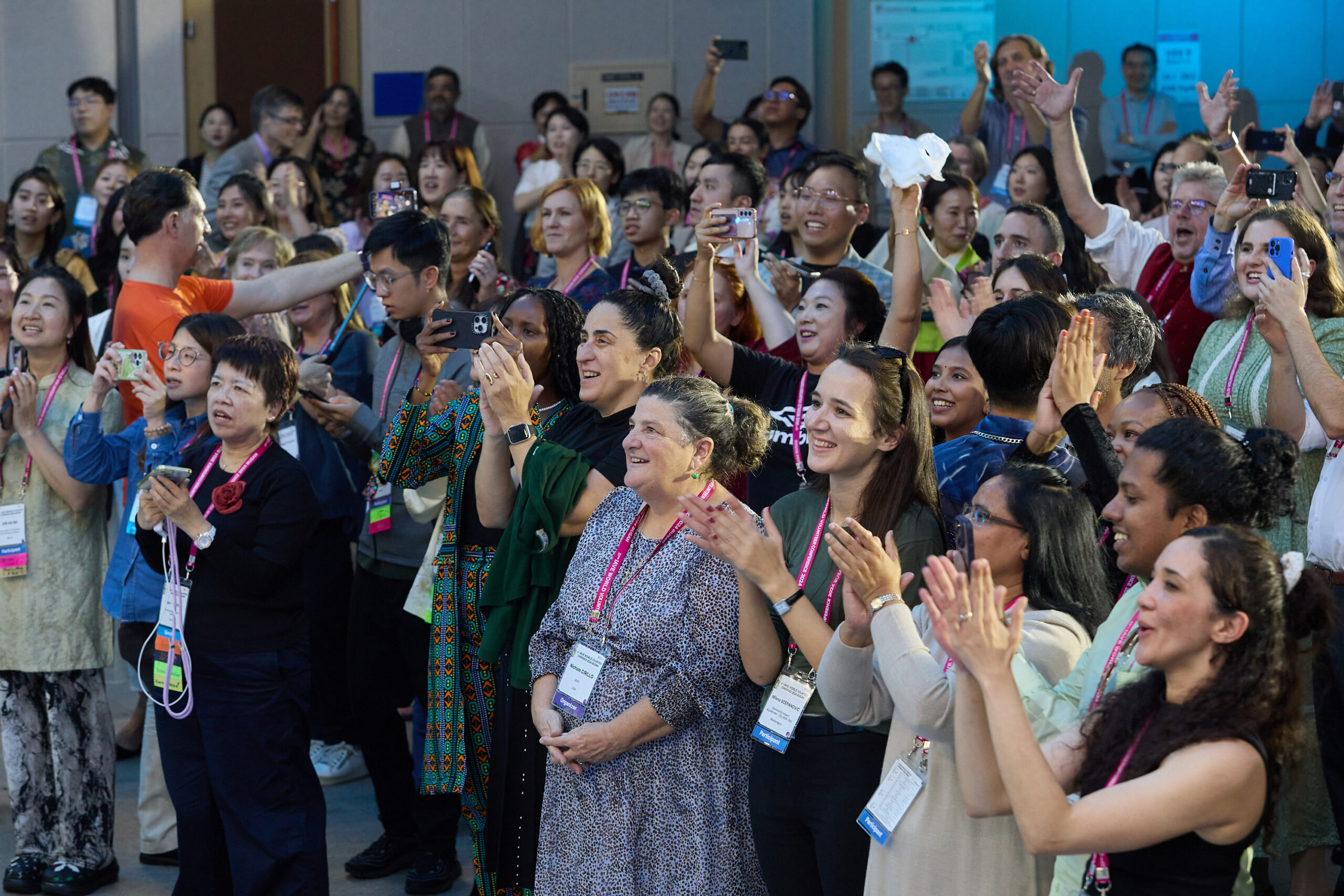
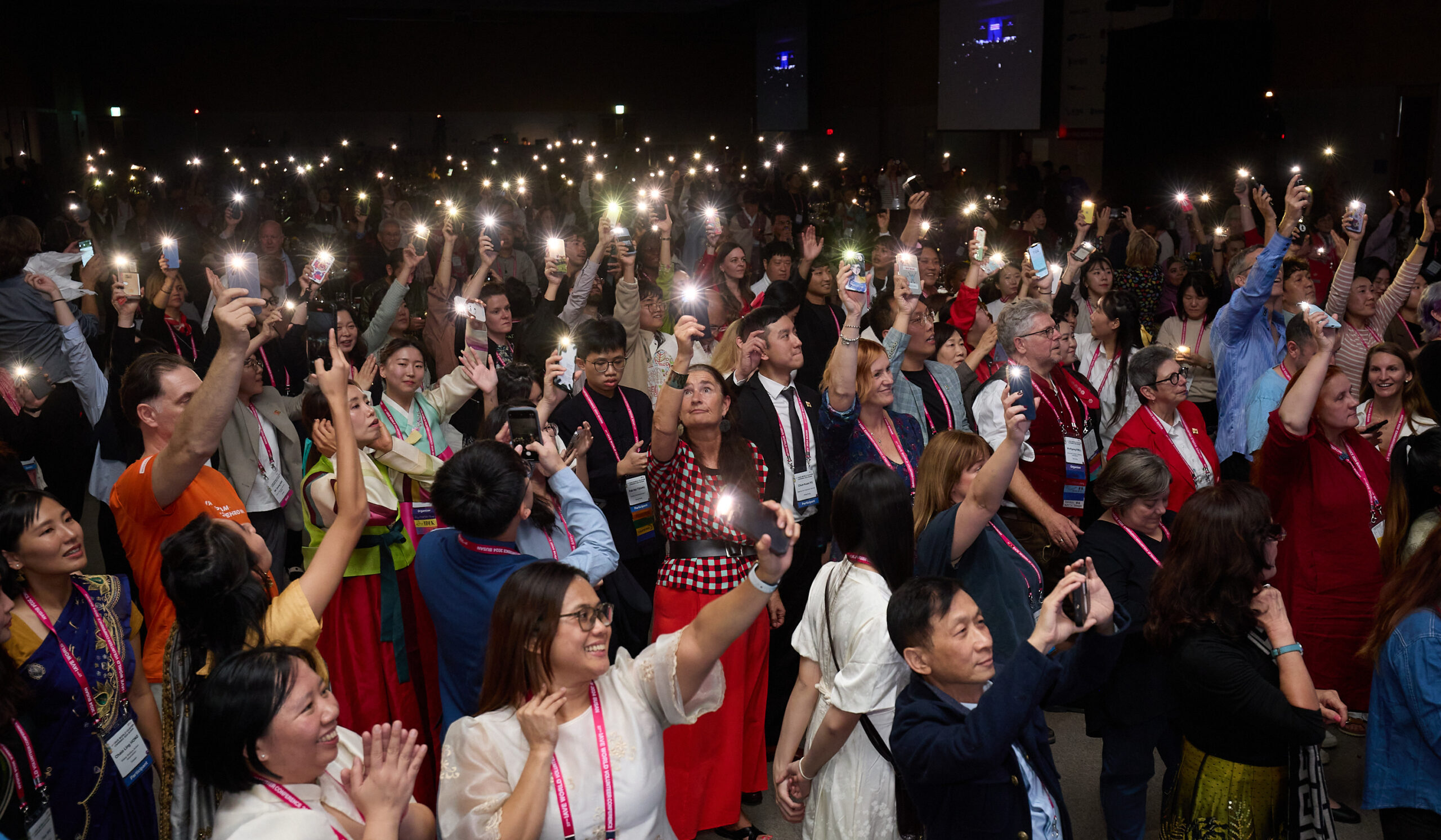
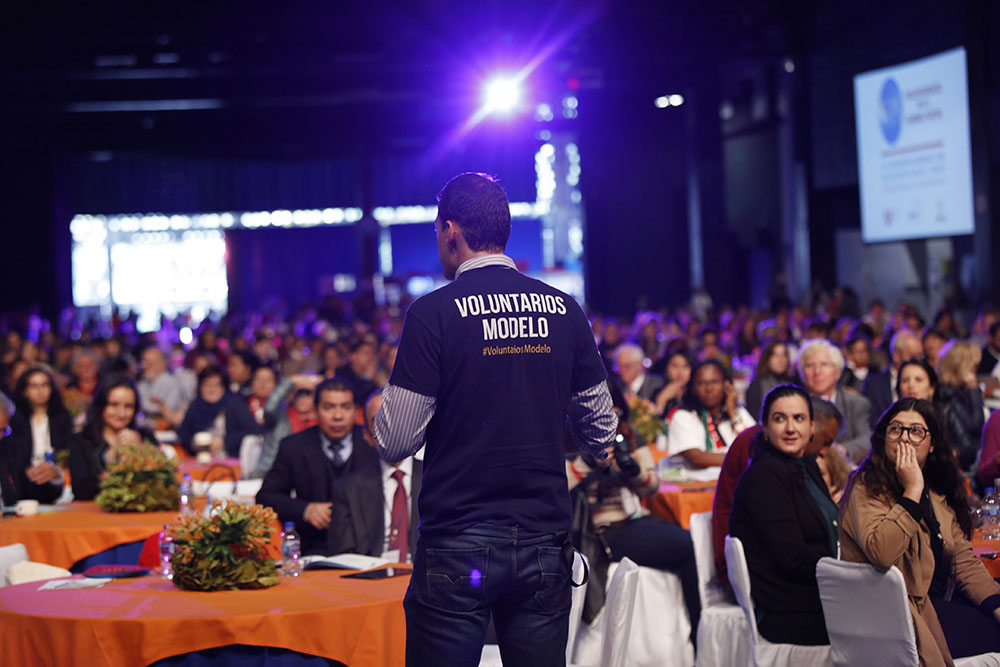
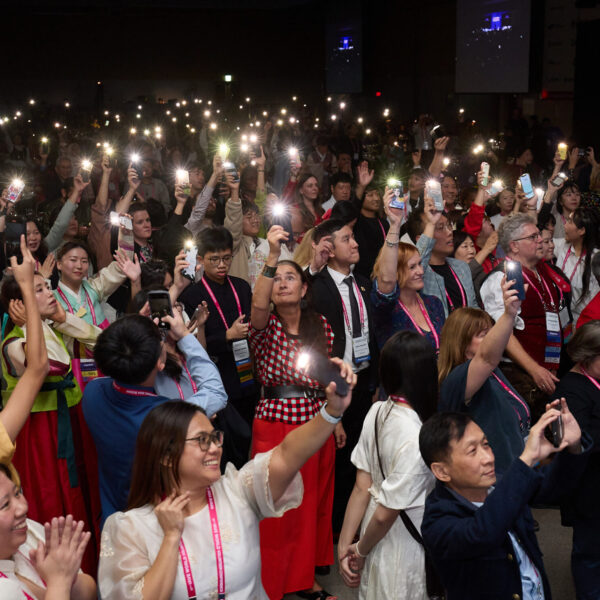
IAVE’s biennial World Volunteer Conference, begun in 1970, affirms a global culture of volunteering and the importance of volunteers to social cohesion. Each conference celebrates volunteering and engages the widest diversity of volunteer leadership from around the world.

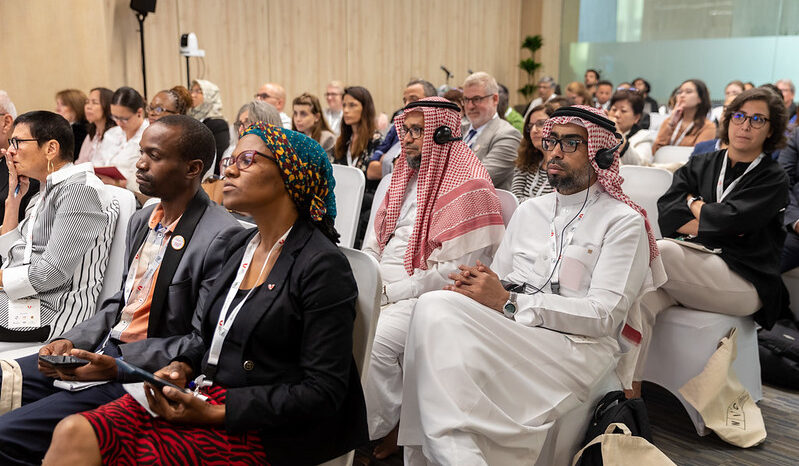
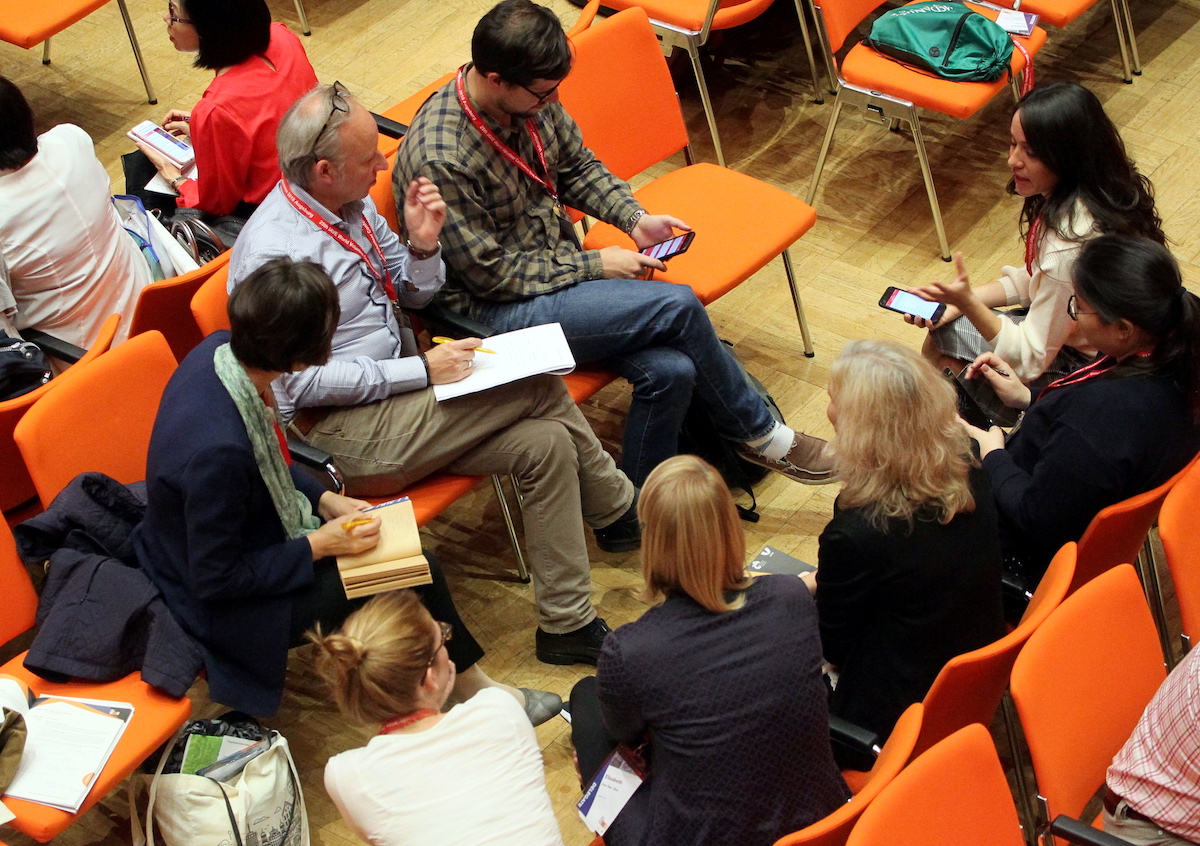
The conference considers current issues and global trends, and creates space for thought leadership, knowledge sharing, and learning about policy and practice. More than anything, it creates bonds. Participants often say the people they meet arrive as strangers and leave as friends.

The 28th edition comes to Riyadh in late 2027, hosted by Ghadan and set within the Kingdom’s fast-growing volunteer landscape.

Conference Theme

Reimagining Volunteering for Greater Social Impact through Innovation and Transformation

Five conference themes frame the program, from investment and equity to future generations, AI and digital transformation, partnership, and rethinking how we recognize and measure volunteering.

About the Host

A nonprofit at the heart of Saudi Arabia's volunteer landscape

IAVE is delighted to select Ghadan as host for the 2027 World Volunteer Conference. In Saudi Arabia, volunteering is closely tied to giving back and helping others, with a strong tradition of voluntary service and a central place in Vision 2030’s goals for sustainable development.

Volunteering is a listed national priority, with a target of one million volunteers by 2030 that has already been exceeded, with numbers now at 1.2 million.

Since its founding in 2012, Ghadan has been a catalyst for community engagement, helping shape national volunteer strategies and supporting grassroots initiatives across the Kingdom and the wider Arab region, through programs and platforms like the National Volunteer Portal and the Saudi National Volunteer Standard.

Learn more about Ghadan and Saudi Vision 2030.

Call for Research Papers

Shape the evidence base for the future of volunteering

IAVE and our conference partner Ghadan invite researchers, practitioners, and policy specialists to submit papers for the 28th IAVE World Volunteer Conference. The focus is secondary research: contributions should draw on existing evidence, published research, policy literature, evaluations, datasets, and case studies from 2022 to 2026, rather than new primary data collection.

This call seeks rigorous, forward-looking research that can inform conference dialogue and advance the Call to Action for the Future of Volunteering, the global agenda to recognize, support, and safeguard volunteers. Selected papers will shape conference sessions and feed pre-conference knowledge exchange from January to October 2027.

  1  Investing in Volunteering as a Strategic Asset in Delivering Social Progress

Volunteerism and social cohesion

How volunteering builds trust, solidarity, belonging, and community cohesion in a world shaped by disruption, polarization, and inequality.

  • Is volunteering sufficiently recognized as a contributor to social capital, trust, and community resilience?
  • What role does volunteering play in addressing global disruption, deepening inequalities, and division?
  • What emerging challenges or opportunities affect volunteering’s impact on more socially cohesive communities?

Policy and enabling environments

How laws, national strategies, funding, and institutional arrangements strengthen or constrain volunteering, and what changes when governments treat volunteers as a strategic asset.

  • How large is the gap between policy commitments and sustained support for volunteering infrastructure?
  • Where are there strong examples of practical government investment in volunteering?
  • If volunteers are essential to the Sustainable Development Goals, how should this show up in policy, funding, and accountability?

Investment in volunteering

How financial investment, infrastructure, philanthropy, corporate leadership, and public funding can better recognize and sustain the value volunteering creates.

  • Where has direct financial investment in volunteering maximized social outcomes?
  • What needs to change for volunteering policy to be backed by appropriate budget funding?
  • What role can corporates and philanthropy play in funding volunteering as a strategic asset?

Equity, inclusion, and access

The financial, logistical, cultural, institutional, and social barriers to participation, and how volunteering ecosystems can become more inclusive and culturally responsive.

  • How detrimental are financial, logistical, cultural, or organizational barriers to volunteer engagement?
  • Do volunteer-involving organizations recognize when their culture, systems, or practices are exclusionary?
  • What is required to embed inclusive and culturally responsive practice across ecosystems?
  2  Engaging Future Generations in Volunteering

The future of volunteering needs people

How demographic change, technology, AI, and new civic behaviors affect motivation and involvement, particularly among younger and future generations.

  • How will demographic change, technology, AI, and changing civic behaviors affect the next generation of volunteers?
  • What motivates young people to volunteer, and is there demand for more purpose-led, co-created opportunities?
  • Are organizations still designing roles that do not reflect the needs or aspirations of future volunteers?

Volunteering supporting wellbeing and enhanced livelihoods

How the benefits of volunteering for individuals, from connection and confidence to health and life chances, can be better understood, communicated, and measured.

  • Do organizations communicate the benefits of volunteering effectively when recruiting?
  • Can volunteering help address isolation, loneliness, or reduced human connection?
  • How can mental, physical, social, and practical benefits be better recognized when measuring impact?

Innovation in volunteer engagement

Emerging models such as digital, hybrid, micro, youth-led, skills-based, episodic, and cross-sector volunteering, and whether infrastructure is adapting quickly enough.

  • How effective are new models in responding to the expectations of existing and potential volunteers?
  • Is volunteering infrastructure at risk of changing too little, too late?
  • What innovations are likely to shape future engagement, and what do they mean for policy and practice?

  3  Driving the Social Impact of Volunteering through AI and Digital Transformation

Artificial intelligence and digital transformation

The current and potential impact of AI and digital tools on volunteer roles, engagement, safeguarding, inclusion, infrastructure, ethics, and the future ecosystem.

  • What are the risks and negative implications of AI for volunteer involvement and future roles?
  • What are the current and potential benefits of AI and digital transformation for volunteering?
  • How can AI be used responsibly, inclusively, and securely to help volunteering thrive?

  4  Adding Value to Volunteering through Partnership and Collaboration

Working together to make a difference

How intersectoral, cross-sectoral, and cross-border collaboration strengthens volunteer involvement and impact, and how volunteers help co-create solutions.

  • What forms of partnership are most effective in strengthening the reach, quality, and impact of volunteering?
  • How can cross-sector and cross-border partnerships mobilize shared resources and networks?
  • What conditions make partnerships equitable, sustainable, and mutually beneficial?

Corporate and employee volunteering

How corporate citizenship is evolving, and what trends will shape the future of employer-supported and skills-based volunteering.

  • How are businesses and employer-supported volunteering programs evolving?
  • Will skills-based volunteering become a stronger priority for corporates, employees, and partners?
  • How can collaboration between businesses, communities, and civil society become more common practice?
  •  

  5  Increasing Recognition for Volunteering and Rethinking Volunteer Measurement

Making the invisible visible

How the significant social, economic, civic, and human value of volunteering can be better understood, evidenced, communicated, and recognized.

  • How can the social, economic, civic, and human value of volunteering be more effectively measured and communicated?
  • What approaches best capture the lived experience and contribution of volunteers across contexts?
  • Why does so much of the value created through volunteering remain under-recognized or invisible?

Submissions may address one theme or combine several where this strengthens the analysis. Selected papers are expected to offer opinion-shaping analysis, demonstrate thought leadership, and generate practical insight for policy, infrastructure, funders, organizations, communities, and volunteers.

Submit Your Paper

Ready to submit your abstract?

Submissions run in two stages: an abstract of up to 350 words, then a full paper if selected. Accepted papers receive 5,000 USD each, plus a DOI, a slot in the global webinar series, and travel support to present in Riyadh. Full requirements, format, and the submission portal are on the WVC 2027 submission guidelines. Authors may submit more than one proposal, each submitted separately. First stage abstract deadline is September 18, 2026 (17:00 BST). 

Questions about the call, requirements, or review process? Contact Wendy Osborne OBE, IAVE Senior Consultant, at [email protected].

Stay Updated

Be the first to hear conference news

Sign up for our mailing list to stay up to date on the 2027 IAVE World Volunteer Conference, the research program, and the global webinar series.